
FireSafe First Step
Personal preparedness
Personal Preparedness In:
Alert & Warning
In an emergency, officials may use different tools to share information and instructions. Get familiar with these tools and systems now, and sign up if needed, to be ready to get alerts in an emergency.
AC Alert
Berkeley’s main emergency alerting system, to get alerts about addresses of interest including locations you care about – such as your home, office, or a child’s school.
genasys protect app
With the Genasys Protect mobile app, follow a zone or turn on your location to get notified about danger wherever you are.
Fire Weather and Evacuation
When the risk of catastrophic wildfires is highest, that may trigger officials to urge residents to leave early. Anyone in wildfire-prone areas should stay informed and take extra steps to protect their family, home, and community when fire danger increases.
Make a household fire weather plan
Planning ahead helps you evacuate faster and more safely. Use our step-by-step guide to create your Household Fire Weather Plan.
-
Leave as early as possible
The safest thing you can do during a wildfire is leave early. If you live in the Berkeley Hills, leave before a fire starts—when the Fire Department declares Extreme Fire Weather. Low humidity and strong winds make this weather the most dangerous for fires.
Some weather conditions make wildfire more likely. During either of the below alert levels, everyone should keep their phone on and avoid anything that could cause sparks (such as outdoor grills or chainsaws).
Red Flag Warning: Strong winds and low humidity increase fire risk. Be ready to evacuate.
Extreme Fire Weather: Very high winds and very low humidity make fire more likely and more dangerous. If you live in the Hills, the Berkeley Fire Department recommends you leave before extreme fire weather begins.
-
Pick a few safe places you could go during an emergency, including places outside of Berkeley. Consider:
A friend’s or family member’s home
A hotel (Visit Berkeley can help you find one)
If there is a fire, emergency shelters will be opened in safe areas. They may be outside of Berkeley.
-
Plan at least two ways out of your neighborhood and be flexible. In an evacuation, you may need to use any road that’s open.
If you don’t drive, ask a neighbor now if they can help. If you have a car, reach out to neighbors about carpooling during an emergency.
In a large evacuation, roads may be blocked or unsafe to travel. Emergency transportation and people you rely on may not be able to reach you. Your neighbors will be in the best position to be able to help you.
If you live in the Berkeley Hills, avoid walking or biking if you can. Cars provide better protection against fire and traffic collisions. If you must walk or bike, leave early—when the Berkeley Fire Department declares Extreme Fire Weather.
-
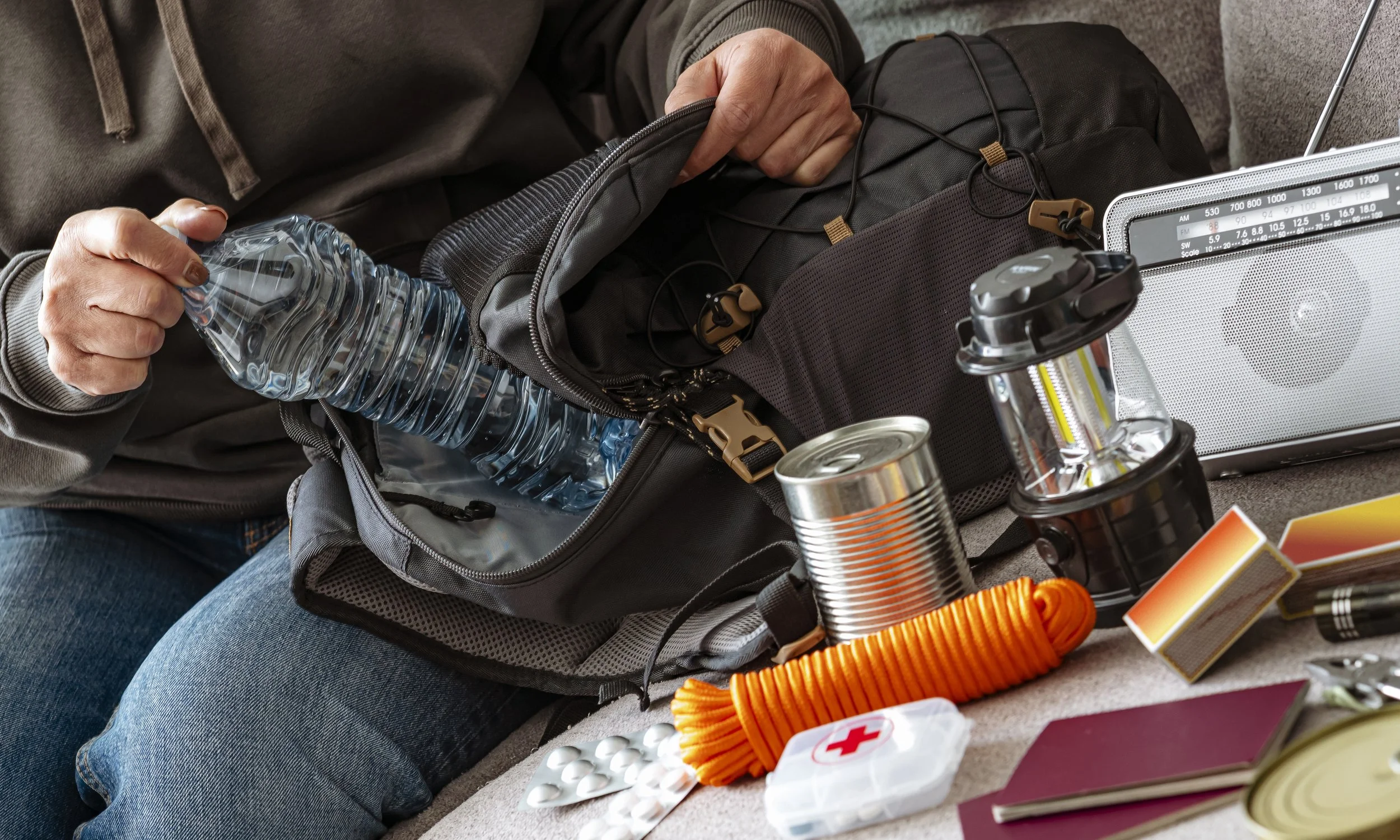
Have a go-bag ready in case you only have minutes to leave.
Pack essentials like: Flashlight, wallet, phone, map, water bottle, medication, important documents, sturdy shoes and socks, and any other items your household needs to stay safe.
-
Plan ahead for anyone in your home who may need help to pack and evacuate—like children, older adults, or pets.
Make a backup plan in case normal helpers are not home when an evacuation is ordered. Work with neighbors to help each other pack and carpool out.
Never return to an evacuation zone. People have died trying to go back for others or belongings.
Never wait for someone to return home before evacuating. Make a plan now for where to meet and how to communicate if separated.
If your household is evacuating and you have children in school outside the evacuation zone, ask someone to pick them up and take them to a safe location. This can help your family evacuate faster.
-
Get hands-on support with creating your household evacuation plan by attending a training from Berkeley Ready, our emergency preparedness team. Visit our Eventbrite page for upcoming trainings and click follow to get notified when new courses are posted.
Sign up for the Berkeley Ready newsletter for email updates about disaster readiness classes and events.
Build a Disaster Supply Kit
Be prepared to stay or leave in an emergency by building your own household disaster kit. A good rule of thumb is to have supplies for about 3 days, or 72 hours. You’ll be surprised at how much you already have.
Disaster response: Stay
What you will need to stay safe and comfortable at home during an emergency.
Water: One gallon per person, per day.
Easy food, non-perishable food: We recommend at least 3 days of food per person.
Manual can opener
First aid kit
Flashlight and extra batteries
Cell phone charger (battery-operated or car plug-in)
Radio (battery-operated or hand-crank) Check 1610 AM for emergency updates from the City of Berkeley.
Basic Tools: Hammer, nails, duct tape, screwdriver, or other similar tools for simple repairs or shutting off utilities.
Fire extinguisher
Cash
Warm clothes and sturdy shoes
Sleeping bag or blankets
Personal items: Prescriptions, comfort food, hygiene supplies, important documents, children’s items, and pet supplies.
Supplies for coming together
Emergencies are opportunities to come together and support those around you. Sharing a meal, a book, or a phone charger is even more meaningful in the days following an emergency. What items would you share with friends and neighbors? Some ideas: Grill, board games, wine.
Disaster response: Go
In some emergency situations, you may have to leave instead of staying in place. Your go-bag should have:
Wallet and Phone
Cash
Important documents
Back-up phone charger and power
Flashlight/headlamp and back-up batteries
Portable radio and batteries
Local map with walking paths
Water and snacks
Prescriptions
Emergency blanket
Sturdy shoes and socks
Change of clothing
Whistle
Personal items: for pets and children
Remember that you should be able to carry your go-bag because you might need to evacuate on foot.
Contents adapted from the San Francisco Department of Emergency Management’s sf72.org website.
Help for Those Needing Assistance
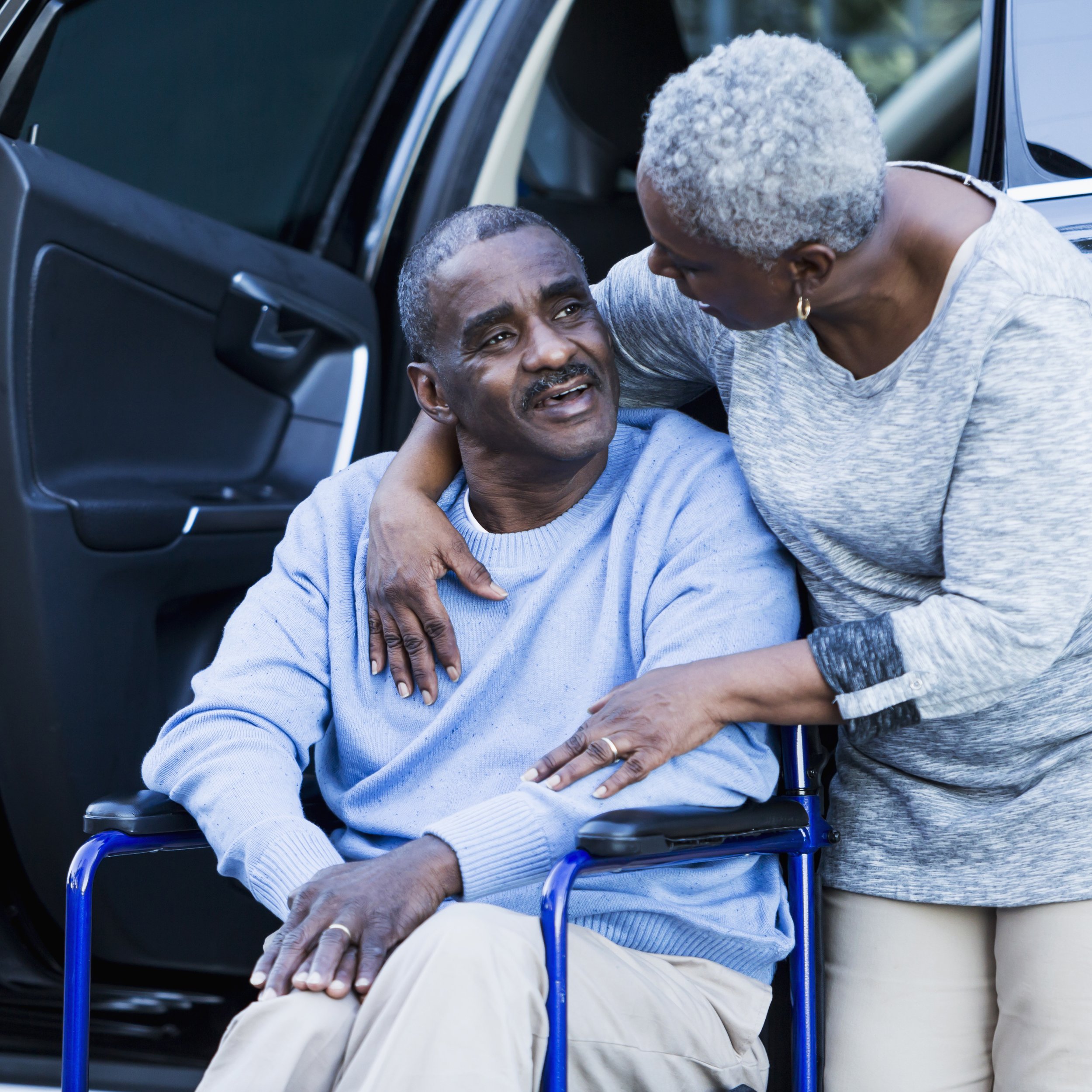
Some community members may require additional support during an emergency, such as older adults, individuals with disabilities, those with medical conditions, or anyone who may have difficulty evacuating quickly. If you, a family member, friend, or neighbor, is likely to need help, consider the following list. If you know someone who may need assistance getting prepared, reach out.
Leave Early: If you receive an Evacuation Warning, leave as quickly as possible. If you live in the Berkeley Hills plan to leave during Extreme Fire Weather. More information on leave early berkeleyca.gov/wildfire
Sign up for Emergency Alerts: Make sure you’re signed up for AC Alert and download Genasys Protect.
Create a personal support network: Identify neighbors, friends, caregivers, or family members who can help during an emergency. Share your evacuation plan and contact information with them.
Make a needs-specific plan: Consider mobility support, medical devices, oxygen, service animals, communication needs, or transportation assistance.
Prepare labeled supplies: Keep medications, medical equipment, and important documents in one place.
Identify safe places to stay: Create a list of places you can stay.

home insurance
Having insurance is critical to rebuilding your home and protecting your family after a wildfire. A large percentage of property owners who experienced loss of homes during Northern California wildfires were either uninsured or underinsured. Many were unable to rebuild after the fires.
Make sure you know how to shop for the right insurance coverage, what to do if your insurer doesn’t renew your policy, and what to expect during an insurance inspection.